
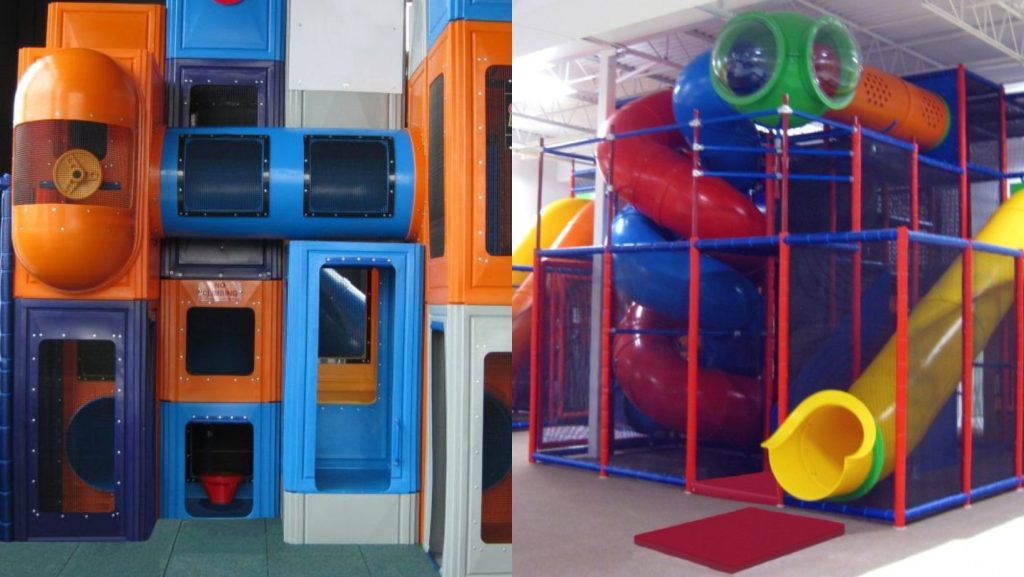
Regular safety inspections are one of the most important responsibilities for indoor playground owners and operators. A consistent inspection process helps prevent injuries, reduces liability risks, protects your investment, and ensures children can play safely in your facility.
Whether you operate a family entertainment centre, daycare play area, community facility, or commercial indoor playground, having a structured inspection system in place is essential for maintaining compliance, safety, and long-term equipment performance.
This guide explains exactly how to conduct indoor playground safety inspections, what to look for, and when equipment should be repaired or replaced.
Why Regular Indoor Playground Safety Inspections Matter
Indoor playground equipment experiences constant use, impact, and wear. Even high-quality materials will degrade over time without proper maintenance.
Routine inspections help:
- Identify hazards before injuries occur
- Maintain compliance with safety standards and insurance requirements
- Extend the lifespan of playground equipment
- Protect your business from liability claims
- Maintain customer trust and confidence
Parents expect indoor play spaces to be safe environments. Visible maintenance practices and well-maintained equipment directly influence how families perceive your facility.
Creating an Indoor Playground Inspection Schedule
One of the most effective ways to maintain safety is to divide inspections into daily, weekly, and monthly routines. This layered approach ensures both visible hazards and hidden issues are addressed.
Daily Inspections (Operational Safety Checks)
These quick checks should happen before opening and throughout the day.
Focus on:
- Loose bolts, connectors, or hardware
- Damaged padding or exposed surfaces
- Debris or foreign objects in play areas
- Wet or slippery flooring
- Ball pit contamination or objects
- Broken plastic components
- Trip hazards near entrances and exits
Daily checks are your first line of defense against accidents.
Weekly Inspections (Functional and Structural Review)
Weekly inspections go deeper and may require light tools or partial equipment access.
Inspect:
- Structural stability of frames and supports
- Netting tension and attachment points
- Stairways, climbing features, and platforms
- Slide connections and seams
- Floor anchoring points
- Moving parts such as swings or interactive elements
Documenting findings weekly helps identify patterns before they become major problems.
Monthly Inspections (Comprehensive Safety Assessment)
Monthly inspections should be thorough and may involve partial disassembly or accessing internal components.
Evaluate:
- Internal structural connections
- Wear on high-traffic components
- Foam compression and padding degradation
- Signs of material fatigue or cracking
- Rust, corrosion, or moisture damage
- Anchor systems and stability
- Emergency exits and signage visibility
These inspections help determine long-term maintenance and replacement planning.
Key Areas That Require Special Attention
Some components experience more stress and should receive extra scrutiny during inspections.
1. High-Traffic Play Features
Slides, climbing obstacles, crawl tunnels, and entry points experience the most use. Look for:
- Surface wear
- Stress cracks
- Loose mounting points
- Sharp edges from material fatigue
2. Safety Padding and Soft Containment
Padding is critical for injury prevention but often overlooked.
Check for:
- Tears or punctures
- Compression or flattening
- Loose coverings
- Exposed foam
- Detachment from support structures
If padding no longer absorbs impact effectively, replacement is necessary.
3. Netting and Containment Systems
Containment systems prevent falls and must remain secure.
Inspect for:
- Frayed ropes
- Loose knots or fasteners
- Sagging sections
- Broken connectors
Damaged containment systems create serious fall risks.
4. Flooring and Fall Zones
Flooring systems absorb impact and reduce injury severity.
Look for:
- Uneven surfaces
- Separation between mats
- Worn or hardened foam
- Moisture damage
- Trip hazards at transitions
5. Hygiene and Sanitation Conditions
Cleanliness is directly tied to safety.
Monitor:
- High-touch surfaces
- Ball pits and loose play items
- Food debris accumulation
- Moisture or mold risks
A clean environment reduces illness transmission and improves customer perception.
Using Documentation and Checklists for Accountability
Inspection documentation is essential for both safety and liability protection.
Maintain records that include:
- Inspection date and time
- Staff member responsible
- Issues identified
- Corrective actions taken
- Follow-up timelines
Written documentation demonstrates due diligence if incidents occur and helps track equipment performance over time.
Training Staff to Identify Safety Risks
Staff training is one of the most overlooked safety factors in indoor playground operations.
Employees should understand:
- Common hazard indicators
- Proper reporting procedures
- Cleaning and sanitation standards
- Emergency response protocols
- When to remove equipment from service
Ongoing training improves hazard detection and reduces risk exposure.
Signs It’s Time to Replace Indoor Playground Equipment
Even with proper maintenance, playground equipment eventually reaches the end of its safe lifespan.
Replacement may be necessary when you notice:
- Structural cracks or material fatigue
- Repeated repairs in the same areas
- Padding that no longer absorbs impact
- Rusted or weakened metal components
- Loose structural integrity that cannot be stabilized
- Outdated designs that no longer meet safety expectations
- Excessive wear from high traffic
Replacing aging equipment proactively is safer and often more cost-effective than ongoing repairs.
Modern playground designs also improve durability, accessibility, and play value, which can increase customer engagement.
Proactive Safety Protects Your Business and Your Customers
Consistent safety inspections are not just about compliance — they protect children, staff, and your business reputation. A structured inspection system helps you catch small issues early, maintain equipment performance, and plan for future upgrades.
If your indoor playground equipment is showing signs of wear, damage, or aging, updating your play structures can significantly improve safety, durability, and customer experience.
SPI Plastics provides high-quality indoor playground equipment designed for safety, longevity, and heavy commercial use. If you’re planning to replace or upgrade your playground, our team can help you explore options that fit your space and goals.
Contact SPI Plastics to learn more about modern indoor playground solutions.